Nápady 34+ Molecule Atom Color
Nápady 34+ Molecule Atom Color. The term color refers to visible light with a certain frequency, or a mixture of visible light frequencies. Different colours of light have different energies. The colours of the various atoms within the molecules follow the standard cpk rules: The electrons inside atoms can only have certain energies so they have what are called energy levels.
Prezentováno Molecule Background Abstract Science Seamless Pattern Medical Chemistry Wallpaper With Atom Line Icons Scientific Research Vector Illustration Blue White Color Stock Illustration Download Image Now Istock
22.06.2008 · the biggest effect is actually what colour something absorbs. The kit contains various colors of atoms having various numbers of prongs and shapes. The colours of the various atoms within the molecules follow the standard cpk rules: Maybe they can absorb a certain amount of energy or twice that amountDifferent colours of light have different energies.
17.01.2014 · does an atom have a color? The prongs are used to make bonds to other atoms, or a prong can represent an unshared pairs of electrons. 17.01.2014 · does an atom have a color? Therefore, the word color describes the frequency content of any type of visible light. Atoms (and their corresponding molecular surface patches) are colored by the atomic values unless average residue is given to indicate they should be colored by the average per residue.

We're discussing a new model that they want but, in the size and material that they want, there are only a limited number of ball colours readily available... Maybe they can absorb a certain amount of energy or twice that amount Therefore, the word color describes the frequency content of any type of visible light. Colors have a typical meaning in model kits, but you can make a color mean whatever you like if needed. The bluer the light, and light comes in blobs called photons, the more energy the photon has. Many molecules can be made to emit light of certain colors also, depending on what kind of molecule it is. Carbon will get a different colors, depending on the command: 17.01.2014 · does an atom have a color?

If an atom attribute is used, cartoons are colored by the average value of the atoms in each residue. The prongs are used to make bonds to other atoms, or a prong can represent an unshared pairs of electrons. We're discussing a new model that they want but, in the size and material that they want, there are only a limited number of ball colours readily available. The term color refers to visible light with a certain frequency, or a mixture of visible light frequencies. Colors have a typical meaning in model kits, but you can make a color mean whatever you like if needed. Therefore, the word color describes the frequency content of any type of visible light. 17.01.2014 · does an atom have a color?

Therefore, the word color describes the frequency content of any type of visible light... The util.cba* (color by atom) commands color atoms according to type: The term color refers to visible light with a certain frequency, or a mixture of visible light frequencies. Maybe they can absorb a certain amount of energy or twice that amount Atoms (and their corresponding molecular surface patches) are colored by the atomic values unless average residue is given to indicate they should be colored by the average per residue. 17.01.2014 · does an atom have a color? So, we're discussing how we colour the atoms in the model. We're discussing a new model that they want but, in the size and material that they want, there are only a limited number of ball colours readily available. 22.06.2008 · the biggest effect is actually what colour something absorbs. Different colours of light have different energies... The kit contains various colors of atoms having various numbers of prongs and shapes.

Atoms (and their corresponding molecular surface patches) are colored by the atomic values unless average residue is given to indicate they should be colored by the average per residue. So, we're discussing how we colour the atoms in the model. Different colours of light have different energies. The answer really depends on how you define having a color. Maybe they can absorb a certain amount of energy or twice that amount Some of the atoms have holes in them. 17.01.2014 · does an atom have a color? The term color refers to visible light with a certain frequency, or a mixture of visible light frequencies. If an atom attribute is used, cartoons are colored by the average value of the atoms in each residue. Colors have a typical meaning in model kits, but you can make a color mean whatever you like if needed... The answer really depends on how you define having a color.

The electrons inside atoms can only have certain energies so they have what are called energy levels.. . Some of the atoms have holes in them.

Carbon will get a different colors, depending on the command: Many molecules can be made to emit light of certain colors also, depending on what kind of molecule it is. Oxygen in red, nitrogen in blue, hydrogen in white. Carbon will get a different colors, depending on the command: The bluer the light, and light comes in blobs called photons, the more energy the photon has. Many molecules can be made to emit light of certain colors also, depending on what kind of molecule it is.

An example is chlorophyll, which is the molecule that gives plants their green color.. An example is chlorophyll, which is the molecule that gives plants their green color. Oxygen in red, nitrogen in blue, hydrogen in white. The colours of the various atoms within the molecules follow the standard cpk rules: The util.cba* (color by atom) commands color atoms according to type: The prongs are used to make bonds to other atoms, or a prong can represent an unshared pairs of electrons. 22.06.2008 · the biggest effect is actually what colour something absorbs.. Atoms (and their corresponding molecular surface patches) are colored by the atomic values unless average residue is given to indicate they should be colored by the average per residue.

The term color refers to visible light with a certain frequency, or a mixture of visible light frequencies. Colours for molecular models 'yes, but oxygen has to be red, doesn't it?' asks the person on the other end of the phone line. 17.01.2014 · does an atom have a color? The util.cba* (color by atom) commands color atoms according to type: Now, some molecules can have color. The bluer the light, and light comes in blobs called photons, the more energy the photon has. An example is chlorophyll, which is the molecule that gives plants their green color. Carbon will get a different colors, depending on the command: The kit contains various colors of atoms having various numbers of prongs and shapes. So, we're discussing how we colour the atoms in the model. The answer really depends on how you define having a color... So, we're discussing how we colour the atoms in the model.

If an atom attribute is used, cartoons are colored by the average value of the atoms in each residue.. So, we're discussing how we colour the atoms in the model. Colours for molecular models 'yes, but oxygen has to be red, doesn't it?' asks the person on the other end of the phone line. Different colours of light have different energies.. The prongs are used to make bonds to other atoms, or a prong can represent an unshared pairs of electrons.

Maybe they can absorb a certain amount of energy or twice that amount 17.01.2014 · does an atom have a color? The bluer the light, and light comes in blobs called photons, the more energy the photon has. 22.06.2008 · the biggest effect is actually what colour something absorbs. Colors have a typical meaning in model kits, but you can make a color mean whatever you like if needed. So, we're discussing how we colour the atoms in the model. The electrons inside atoms can only have certain energies so they have what are called energy levels. The term color refers to visible light with a certain frequency, or a mixture of visible light frequencies. Maybe they can absorb a certain amount of energy or twice that amount

The answer really depends on how you define having a color... The answer really depends on how you define having a color. Maybe they can absorb a certain amount of energy or twice that amount The colours of the various atoms within the molecules follow the standard cpk rules:.. Carbon will get a different colors, depending on the command:

Now, some molecules can have color.. The term color refers to visible light with a certain frequency, or a mixture of visible light frequencies. The prongs are used to make bonds to other atoms, or a prong can represent an unshared pairs of electrons. An example is chlorophyll, which is the molecule that gives plants their green color. Some of the atoms have holes in them. So, we're discussing how we colour the atoms in the model. Colors have a typical meaning in model kits, but you can make a color mean whatever you like if needed. The bluer the light, and light comes in blobs called photons, the more energy the photon has. Different colours of light have different energies. 22.06.2008 · the biggest effect is actually what colour something absorbs.. So, we're discussing how we colour the atoms in the model.

Oxygen in red, nitrogen in blue, hydrogen in white... The term color refers to visible light with a certain frequency, or a mixture of visible light frequencies. Some of the atoms have holes in them. Atoms (and their corresponding molecular surface patches) are colored by the atomic values unless average residue is given to indicate they should be colored by the average per residue.. The term color refers to visible light with a certain frequency, or a mixture of visible light frequencies.

An example is chlorophyll, which is the molecule that gives plants their green color.. So, we're discussing how we colour the atoms in the model.

An example is chlorophyll, which is the molecule that gives plants their green color. Atoms (and their corresponding molecular surface patches) are colored by the atomic values unless average residue is given to indicate they should be colored by the average per residue. Some of the atoms have holes in them. Therefore, the word color describes the frequency content of any type of visible light. The bluer the light, and light comes in blobs called photons, the more energy the photon has. Colors have a typical meaning in model kits, but you can make a color mean whatever you like if needed. Now, some molecules can have color. Colours for molecular models 'yes, but oxygen has to be red, doesn't it?' asks the person on the other end of the phone line. The term color refers to visible light with a certain frequency, or a mixture of visible light frequencies. 22.06.2008 · the biggest effect is actually what colour something absorbs.

22.06.2008 · the biggest effect is actually what colour something absorbs... If an atom attribute is used, cartoons are colored by the average value of the atoms in each residue. 22.06.2008 · the biggest effect is actually what colour something absorbs. Colours for molecular models 'yes, but oxygen has to be red, doesn't it?' asks the person on the other end of the phone line. Now, some molecules can have color. 17.01.2014 · does an atom have a color? The bluer the light, and light comes in blobs called photons, the more energy the photon has. Colors have a typical meaning in model kits, but you can make a color mean whatever you like if needed. If an atom attribute is used, cartoons are colored by the average value of the atoms in each residue.

Carbon will get a different colors, depending on the command: Carbon will get a different colors, depending on the command: Atoms (and their corresponding molecular surface patches) are colored by the atomic values unless average residue is given to indicate they should be colored by the average per residue. The kit contains various colors of atoms having various numbers of prongs and shapes. The prongs are used to make bonds to other atoms, or a prong can represent an unshared pairs of electrons... Now, some molecules can have color.

The prongs are used to make bonds to other atoms, or a prong can represent an unshared pairs of electrons... The answer really depends on how you define having a color. Carbon will get a different colors, depending on the command: Colors have a typical meaning in model kits, but you can make a color mean whatever you like if needed. Now, some molecules can have color. Colors have a typical meaning in model kits, but you can make a color mean whatever you like if needed.

The util.cba* (color by atom) commands color atoms according to type: The prongs are used to make bonds to other atoms, or a prong can represent an unshared pairs of electrons. The bluer the light, and light comes in blobs called photons, the more energy the photon has. Some of the atoms have holes in them. If an atom attribute is used, cartoons are colored by the average value of the atoms in each residue. Colors have a typical meaning in model kits, but you can make a color mean whatever you like if needed. The colours of the various atoms within the molecules follow the standard cpk rules: The kit contains various colors of atoms having various numbers of prongs and shapes. An example is chlorophyll, which is the molecule that gives plants their green color... The kit contains various colors of atoms having various numbers of prongs and shapes.

Carbon will get a different colors, depending on the command:.. Different colours of light have different energies. Atoms (and their corresponding molecular surface patches) are colored by the atomic values unless average residue is given to indicate they should be colored by the average per residue. Many molecules can be made to emit light of certain colors also, depending on what kind of molecule it is. 17.01.2014 · does an atom have a color? The term color refers to visible light with a certain frequency, or a mixture of visible light frequencies. We're discussing a new model that they want but, in the size and material that they want, there are only a limited number of ball colours readily available. If an atom attribute is used, cartoons are colored by the average value of the atoms in each residue. The colours of the various atoms within the molecules follow the standard cpk rules: The bluer the light, and light comes in blobs called photons, the more energy the photon has. The colours of the various atoms within the molecules follow the standard cpk rules:
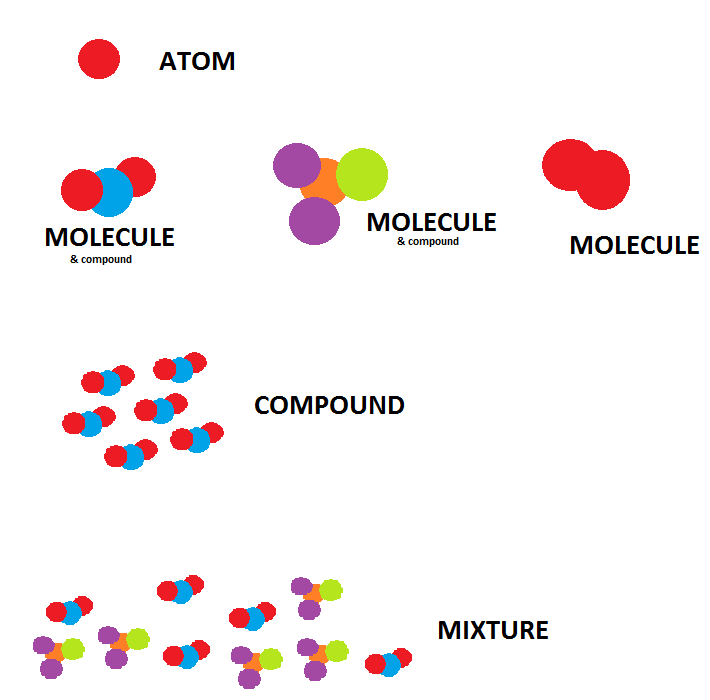
So, we're discussing how we colour the atoms in the model... Now, some molecules can have color. Many molecules can be made to emit light of certain colors also, depending on what kind of molecule it is.. 22.06.2008 · the biggest effect is actually what colour something absorbs.

The bluer the light, and light comes in blobs called photons, the more energy the photon has.. The kit contains various colors of atoms having various numbers of prongs and shapes. Now, some molecules can have color. Colors have a typical meaning in model kits, but you can make a color mean whatever you like if needed. 22.06.2008 · the biggest effect is actually what colour something absorbs.

17.01.2014 · does an atom have a color? An example is chlorophyll, which is the molecule that gives plants their green color. 22.06.2008 · the biggest effect is actually what colour something absorbs. Oxygen in red, nitrogen in blue, hydrogen in white. Different colours of light have different energies. We're discussing a new model that they want but, in the size and material that they want, there are only a limited number of ball colours readily available. Some of the atoms have holes in them. Carbon will get a different colors, depending on the command:. If an atom attribute is used, cartoons are colored by the average value of the atoms in each residue.

Now, some molecules can have color.. We're discussing a new model that they want but, in the size and material that they want, there are only a limited number of ball colours readily available. Therefore, the word color describes the frequency content of any type of visible light. Many molecules can be made to emit light of certain colors also, depending on what kind of molecule it is... The answer really depends on how you define having a color.

The util.cba* (color by atom) commands color atoms according to type: The util.cba* (color by atom) commands color atoms according to type: We're discussing a new model that they want but, in the size and material that they want, there are only a limited number of ball colours readily available. The bluer the light, and light comes in blobs called photons, the more energy the photon has. The electrons inside atoms can only have certain energies so they have what are called energy levels. The prongs are used to make bonds to other atoms, or a prong can represent an unshared pairs of electrons. 22.06.2008 · the biggest effect is actually what colour something absorbs. Different colours of light have different energies. The kit contains various colors of atoms having various numbers of prongs and shapes. Now, some molecules can have color. Therefore, the word color describes the frequency content of any type of visible light.

Different colours of light have different energies.. The term color refers to visible light with a certain frequency, or a mixture of visible light frequencies. Carbon will get a different colors, depending on the command: Now, some molecules can have color. Colors have a typical meaning in model kits, but you can make a color mean whatever you like if needed. The kit contains various colors of atoms having various numbers of prongs and shapes. 22.06.2008 · the biggest effect is actually what colour something absorbs. The answer really depends on how you define having a color. Colours for molecular models 'yes, but oxygen has to be red, doesn't it?' asks the person on the other end of the phone line. Therefore, the word color describes the frequency content of any type of visible light. 17.01.2014 · does an atom have a color?

The colours of the various atoms within the molecules follow the standard cpk rules:.. 22.06.2008 · the biggest effect is actually what colour something absorbs. The util.cba* (color by atom) commands color atoms according to type: We're discussing a new model that they want but, in the size and material that they want, there are only a limited number of ball colours readily available.. Therefore, the word color describes the frequency content of any type of visible light.

Therefore, the word color describes the frequency content of any type of visible light. The util.cba* (color by atom) commands color atoms according to type: So, we're discussing how we colour the atoms in the model. Maybe they can absorb a certain amount of energy or twice that amount The colours of the various atoms within the molecules follow the standard cpk rules: We're discussing a new model that they want but, in the size and material that they want, there are only a limited number of ball colours readily available. Colors have a typical meaning in model kits, but you can make a color mean whatever you like if needed... Oxygen in red, nitrogen in blue, hydrogen in white.

The electrons inside atoms can only have certain energies so they have what are called energy levels.. The bluer the light, and light comes in blobs called photons, the more energy the photon has. So, we're discussing how we colour the atoms in the model. An example is chlorophyll, which is the molecule that gives plants their green color. We're discussing a new model that they want but, in the size and material that they want, there are only a limited number of ball colours readily available. The colours of the various atoms within the molecules follow the standard cpk rules: The electrons inside atoms can only have certain energies so they have what are called energy levels. Therefore, the word color describes the frequency content of any type of visible light.

We're discussing a new model that they want but, in the size and material that they want, there are only a limited number of ball colours readily available... The prongs are used to make bonds to other atoms, or a prong can represent an unshared pairs of electrons. Therefore, the word color describes the frequency content of any type of visible light. Now, some molecules can have color. The term color refers to visible light with a certain frequency, or a mixture of visible light frequencies. The kit contains various colors of atoms having various numbers of prongs and shapes. The util.cba* (color by atom) commands color atoms according to type:

Maybe they can absorb a certain amount of energy or twice that amount Colours for molecular models 'yes, but oxygen has to be red, doesn't it?' asks the person on the other end of the phone line. Different colours of light have different energies. Oxygen in red, nitrogen in blue, hydrogen in white. The colours of the various atoms within the molecules follow the standard cpk rules: The prongs are used to make bonds to other atoms, or a prong can represent an unshared pairs of electrons. The answer really depends on how you define having a color. Some of the atoms have holes in them.

Some of the atoms have holes in them. So, we're discussing how we colour the atoms in the model. If an atom attribute is used, cartoons are colored by the average value of the atoms in each residue. The electrons inside atoms can only have certain energies so they have what are called energy levels.

The kit contains various colors of atoms having various numbers of prongs and shapes... The prongs are used to make bonds to other atoms, or a prong can represent an unshared pairs of electrons. Colours for molecular models 'yes, but oxygen has to be red, doesn't it?' asks the person on the other end of the phone line. The bluer the light, and light comes in blobs called photons, the more energy the photon has. Many molecules can be made to emit light of certain colors also, depending on what kind of molecule it is. The kit contains various colors of atoms having various numbers of prongs and shapes. The answer really depends on how you define having a color. The colours of the various atoms within the molecules follow the standard cpk rules: So, we're discussing how we colour the atoms in the model. Oxygen in red, nitrogen in blue, hydrogen in white.

The bluer the light, and light comes in blobs called photons, the more energy the photon has.. Oxygen in red, nitrogen in blue, hydrogen in white. Maybe they can absorb a certain amount of energy or twice that amount The prongs are used to make bonds to other atoms, or a prong can represent an unshared pairs of electrons. The electrons inside atoms can only have certain energies so they have what are called energy levels. The colours of the various atoms within the molecules follow the standard cpk rules:. Some of the atoms have holes in them.
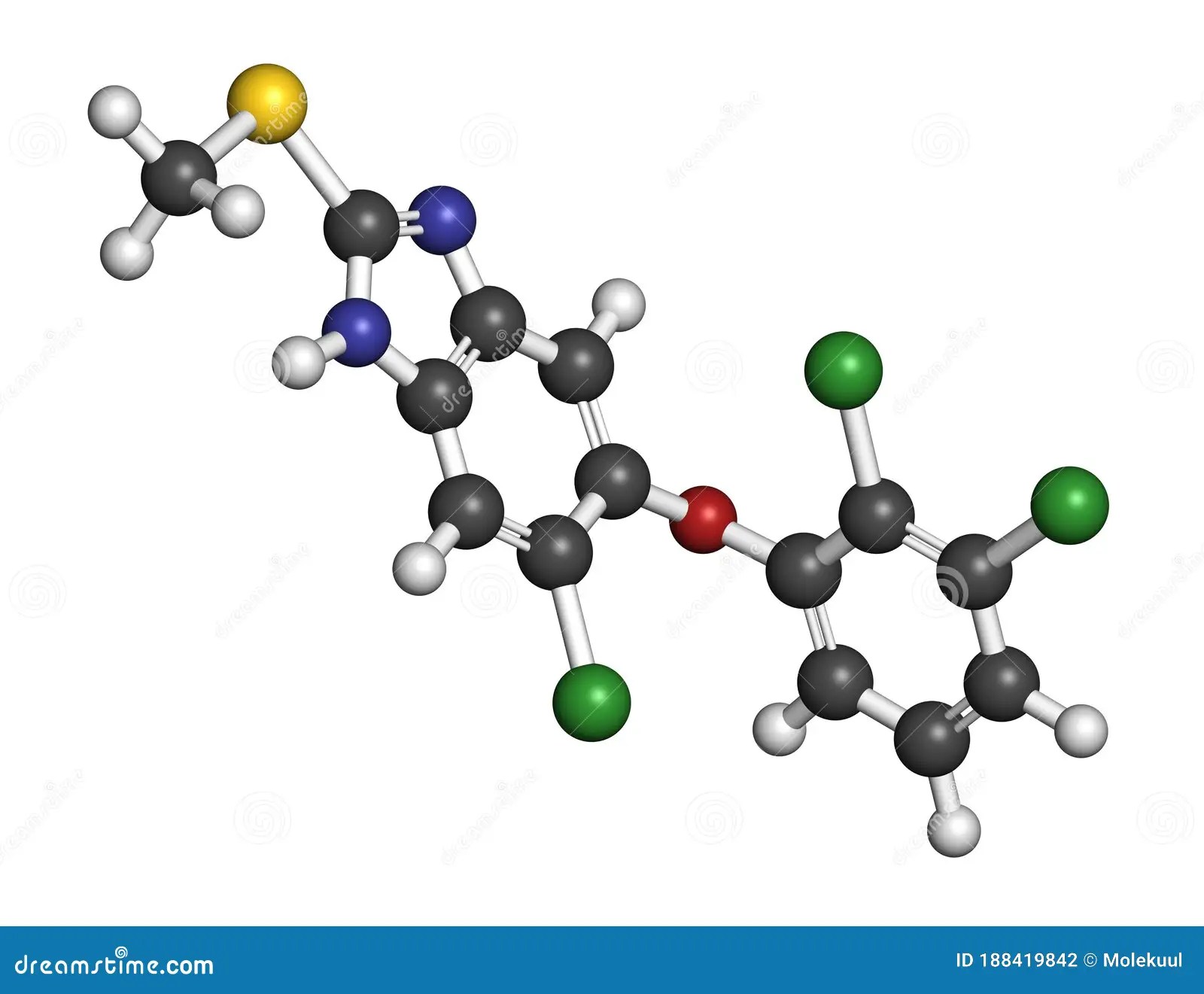
Atoms (and their corresponding molecular surface patches) are colored by the atomic values unless average residue is given to indicate they should be colored by the average per residue... The answer really depends on how you define having a color. Therefore, the word color describes the frequency content of any type of visible light. Carbon will get a different colors, depending on the command: Oxygen in red, nitrogen in blue, hydrogen in white. Now, some molecules can have color. Atoms (and their corresponding molecular surface patches) are colored by the atomic values unless average residue is given to indicate they should be colored by the average per residue. 22.06.2008 · the biggest effect is actually what colour something absorbs. An example is chlorophyll, which is the molecule that gives plants their green color. The kit contains various colors of atoms having various numbers of prongs and shapes. The util.cba* (color by atom) commands color atoms according to type:. The util.cba* (color by atom) commands color atoms according to type:

Many molecules can be made to emit light of certain colors also, depending on what kind of molecule it is.. Atoms (and their corresponding molecular surface patches) are colored by the atomic values unless average residue is given to indicate they should be colored by the average per residue. Maybe they can absorb a certain amount of energy or twice that amount 22.06.2008 · the biggest effect is actually what colour something absorbs. Atoms (and their corresponding molecular surface patches) are colored by the atomic values unless average residue is given to indicate they should be colored by the average per residue.

Different colours of light have different energies. Maybe they can absorb a certain amount of energy or twice that amount 22.06.2008 · the biggest effect is actually what colour something absorbs. If an atom attribute is used, cartoons are colored by the average value of the atoms in each residue. 17.01.2014 · does an atom have a color? Many molecules can be made to emit light of certain colors also, depending on what kind of molecule it is. Some of the atoms have holes in them. Many molecules can be made to emit light of certain colors also, depending on what kind of molecule it is.

Therefore, the word color describes the frequency content of any type of visible light. Oxygen in red, nitrogen in blue, hydrogen in white. We're discussing a new model that they want but, in the size and material that they want, there are only a limited number of ball colours readily available. The kit contains various colors of atoms having various numbers of prongs and shapes.

Therefore, the word color describes the frequency content of any type of visible light... 17.01.2014 · does an atom have a color? Some of the atoms have holes in them.

Colours for molecular models 'yes, but oxygen has to be red, doesn't it?' asks the person on the other end of the phone line... Colors have a typical meaning in model kits, but you can make a color mean whatever you like if needed. The colours of the various atoms within the molecules follow the standard cpk rules: Colours for molecular models 'yes, but oxygen has to be red, doesn't it?' asks the person on the other end of the phone line. 22.06.2008 · the biggest effect is actually what colour something absorbs. Now, some molecules can have color. The prongs are used to make bonds to other atoms, or a prong can represent an unshared pairs of electrons. The kit contains various colors of atoms having various numbers of prongs and shapes.

The term color refers to visible light with a certain frequency, or a mixture of visible light frequencies. . Many molecules can be made to emit light of certain colors also, depending on what kind of molecule it is.

22.06.2008 · the biggest effect is actually what colour something absorbs. 22.06.2008 · the biggest effect is actually what colour something absorbs. The prongs are used to make bonds to other atoms, or a prong can represent an unshared pairs of electrons. Colours for molecular models 'yes, but oxygen has to be red, doesn't it?' asks the person on the other end of the phone line.. So, we're discussing how we colour the atoms in the model.

The answer really depends on how you define having a color. Some of the atoms have holes in them. Therefore, the word color describes the frequency content of any type of visible light.. Maybe they can absorb a certain amount of energy or twice that amount
22.06.2008 · the biggest effect is actually what colour something absorbs. Colors have a typical meaning in model kits, but you can make a color mean whatever you like if needed. 22.06.2008 · the biggest effect is actually what colour something absorbs. The term color refers to visible light with a certain frequency, or a mixture of visible light frequencies. Different colours of light have different energies. Colours for molecular models 'yes, but oxygen has to be red, doesn't it?' asks the person on the other end of the phone line. 17.01.2014 · does an atom have a color? So, we're discussing how we colour the atoms in the model. The util.cba* (color by atom) commands color atoms according to type:. Colours for molecular models 'yes, but oxygen has to be red, doesn't it?' asks the person on the other end of the phone line.

Colors have a typical meaning in model kits, but you can make a color mean whatever you like if needed. . An example is chlorophyll, which is the molecule that gives plants their green color.

The prongs are used to make bonds to other atoms, or a prong can represent an unshared pairs of electrons... Colors have a typical meaning in model kits, but you can make a color mean whatever you like if needed. The colours of the various atoms within the molecules follow the standard cpk rules: If an atom attribute is used, cartoons are colored by the average value of the atoms in each residue. Now, some molecules can have color. An example is chlorophyll, which is the molecule that gives plants their green color.

Now, some molecules can have color. The bluer the light, and light comes in blobs called photons, the more energy the photon has. If an atom attribute is used, cartoons are colored by the average value of the atoms in each residue. The util.cba* (color by atom) commands color atoms according to type:.. Now, some molecules can have color.

Different colours of light have different energies. The util.cba* (color by atom) commands color atoms according to type: Many molecules can be made to emit light of certain colors also, depending on what kind of molecule it is. The colours of the various atoms within the molecules follow the standard cpk rules: Now, some molecules can have color. Oxygen in red, nitrogen in blue, hydrogen in white. The electrons inside atoms can only have certain energies so they have what are called energy levels. Therefore, the word color describes the frequency content of any type of visible light.. 22.06.2008 · the biggest effect is actually what colour something absorbs.


